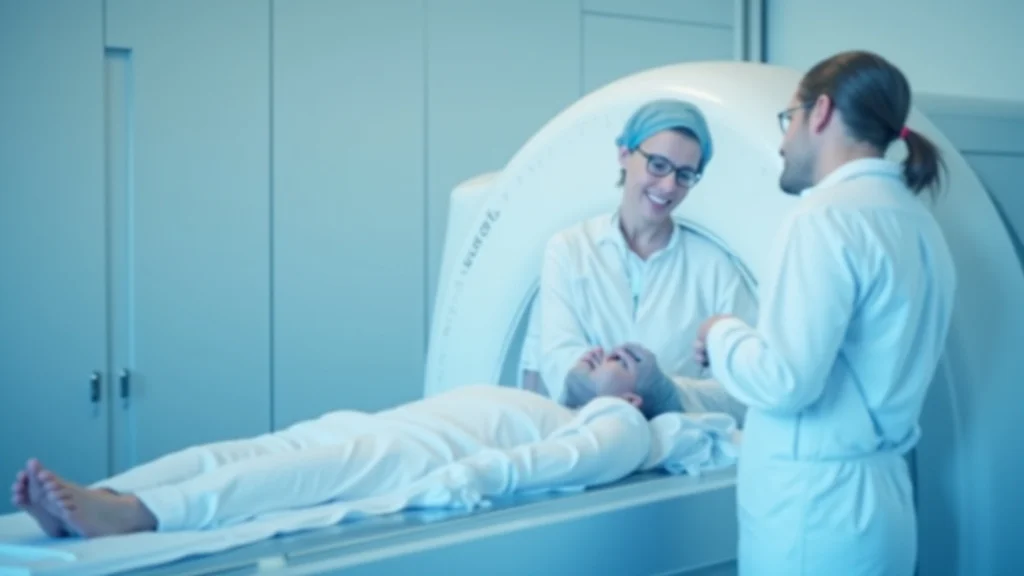
Picture this: you’re walking through a hospital, and you see a machine that can look inside the human body without surgery. That’s the power of Magnetic Resonance Imaging (MRI). Have you ever considered a career where you help people and use cutting-edge technology? Becoming an MRI tech might be the perfect fit. This guide will show you the steps, education, and skills you need to enter this fascinating field. You’ll explore the job’s daily tasks, the required training, and potential career paths. Get ready to learn everything you need to know about how to become an MRI tech and start a career helping others and using exciting technology.
What Does an MRI Tech Do?
An MRI technologist, also known as a radiologic technician specializing in MRI, operates sophisticated imaging equipment to create detailed images of the inside of patients’ bodies. These images assist doctors in diagnosing and treating various medical conditions. The daily responsibilities of an MRI tech vary, but they generally involve preparing patients, positioning them correctly within the MRI machine, and ensuring the images are of high quality. It’s a blend of technical expertise, patient care, and attention to detail. MRI techs work closely with radiologists, physicians who interpret the images and provide diagnoses.
Patient Interaction and Preparation
Before any scanning takes place, the MRI tech plays a vital role in patient care. This involves explaining the procedure to the patient, addressing any concerns they may have, and ensuring they are comfortable. MRI machines can be loud and enclosed, so alleviating anxiety is a key aspect of the job. Technologists must screen patients for any metal objects, such as pacemakers or certain implants, that could be hazardous during the scan. Accurate patient histories are gathered to ensure patient safety and the most effective imaging.
- Explaining the Procedure: Clearly describing what will happen during the MRI scan helps reduce patient anxiety and builds trust. Explaining the noises they will hear and what to expect during the scan is important.
- Addressing Concerns: Some patients may have claustrophobia or other anxieties. MRI techs are trained to offer reassurance and use techniques like communication, positioning, and providing music or earplugs to ease their experience.
- Patient Screening: This is a critical safety step, involving checking for any metal implants, such as pacemakers or surgical clips, that might be unsafe in the strong magnetic field. The technologist reviews medical histories carefully.
- Positioning the Patient: Correctly positioning the patient within the MRI machine is vital for obtaining clear, accurate images. This requires a solid understanding of anatomy and imaging protocols.
Operating the MRI Machine
The core of an MRI tech’s job involves operating the MRI machine itself. This requires a strong understanding of how the machine works, the different imaging protocols, and how to adjust settings to get the best images. The technologist must follow the radiologist’s instructions and ensure the images are clear enough for accurate diagnoses. They need to monitor the patient during the scan and watch for any signs of discomfort or distress. They may also administer contrast agents under the direction of a physician to enhance the images.
- Setting Up the Machine: Programming the MRI machine based on the physician’s orders and the part of the body being examined is the first step. This includes selecting the correct imaging sequences and parameters.
- Administering Contrast Agents: Some MRI scans require a contrast agent to be injected to highlight specific tissues or abnormalities. The MRI tech may administer these agents under the direction of a physician.
- Ensuring Image Quality: The technologist constantly monitors the images as they are produced, making adjustments to the machine settings or patient positioning as needed to ensure the highest image quality.
- Performing Quality Control: Regularly checking the MRI machine’s performance and making sure it is working correctly is crucial. This involves running test scans and making sure images meet established standards.
Maintaining Records and Communication
Accurate record-keeping and clear communication are essential components of an MRI tech’s duties. This includes documenting patient information, scan details, and any incidents that occur during the procedure. MRI techs must communicate effectively with radiologists, physicians, and other healthcare professionals to ensure smooth operation and accurate diagnosis. Sharing information about patient’s symptoms and medical history aids in the diagnosis process. Maintaining a clean and organized work area is also a routine task for the MRI tech.
- Documenting Patient Information: Keeping detailed records of patient history, scan protocols, and any medications or contrast agents administered is essential for accurate diagnoses and future reference.
- Communicating with Radiologists: MRI techs regularly communicate with radiologists to discuss image quality, address technical issues, and ensure the images meet diagnostic standards.
- Maintaining the Work Area: Keeping the examination room and equipment clean and organized is vital to patient safety and proper operation of the equipment.
- Adhering to Safety Protocols: MRI techs must strictly follow safety guidelines to protect patients and themselves from potential hazards related to the magnetic field and other equipment.
Educational Path to Becoming an MRI Tech
Becoming an MRI tech requires a specific educational background. You will need to complete an accredited program, pass a certification exam, and potentially obtain state licensure. The path includes education, clinical training, and often, ongoing professional development. The time commitment varies depending on the educational route you choose and your prior experience.
Choosing an Accredited Program
The first step to becoming an MRI tech is enrolling in an accredited educational program. These programs are offered by various institutions, including colleges, universities, and hospitals. They usually combine classroom instruction with hands-on clinical experience. Accreditation by organizations like the Joint Review Committee on Education in Radiologic Technology (JRCERT) ensures that the program meets specific standards of quality and prepares you with the necessary knowledge and skills. Selecting an accredited program is important for career success.
- Types of Programs:
These programs are available as certificate, associate’s, or bachelor’s degrees. The choice depends on your previous education and career goals. An associate’s degree is a common entry point. - Program Content:
Courses include anatomy, physiology, medical terminology, and imaging principles. Clinical rotations are also a core part of the program, where students gain hands-on experience in a clinical setting. - Program Length:
Certificate programs can be completed in approximately one year. Associate’s degree programs usually take two years, while bachelor’s degree programs may take four. - Clinical Rotations:
Hands-on experience in clinical settings is essential. Students work alongside experienced MRI technologists, gaining practical skills and exposure to real-world scenarios.
Certification and Licensure Requirements
After completing an educational program, the next step is to obtain certification. This usually involves passing an exam administered by a professional organization, such as the American Registry of Radiologic Technologists (ARRT). ARRT certification is a nationally recognized standard. Many states also require licensure to practice as an MRI technologist, which might have its own additional requirements. These certifications and licenses demonstrate that you meet the standards of competency and are qualified to safely operate MRI equipment. Compliance is mandatory for safe and legal practice.
- ARRT Certification:
The ARRT exam tests your knowledge of MRI physics, imaging techniques, and patient care. Passing this exam leads to certification as an MRI technologist. - State Licensure:
Many states require a license to practice, often requiring ARRT certification and completing continuing education. It’s essential to check the specific requirements of the state where you intend to work. - Continuing Education:
MRI technologists are expected to pursue continuing education to stay up-to-date with new technologies and advancements in the field. This can include attending workshops, conferences, or online courses. - Background Checks:
Most employers and licensing boards require criminal background checks to ensure the safety of patients and staff. Some employers might also require drug screenings.
Building Experience Through Clinical Training
Clinical training is a crucial part of becoming an MRI tech. It offers the opportunity to practice the skills learned in the classroom under the supervision of experienced technologists. This experience helps you get accustomed to the demands of the job, from interacting with patients to operating the MRI machine and acquiring high-quality images. The hands-on experience is where theory becomes practice.
- Types of Clinical Settings:
Clinical training can be done in hospitals, imaging centers, and outpatient clinics. Each setting offers different exposures to various medical cases and equipment. - Supervised Practice:
During clinical rotations, students work alongside experienced MRI technologists who provide guidance and feedback on their performance. - Exposure to Different Cases:
Clinical training exposes you to a range of medical conditions and imaging protocols, allowing you to develop a well-rounded skill set. - Developing Practical Skills:
You will learn how to position patients, operate the MRI machine, adjust imaging parameters, and evaluate image quality under realistic conditions.
Skills and Attributes for MRI Technologists
To succeed as an MRI tech, you need a combination of technical abilities and personal qualities. Effective communication skills, attention to detail, and a compassionate approach to patient care are critical. Strong analytical skills and the capacity to problem-solve are also essential for image acquisition and troubleshooting. This career requires a diverse set of skills beyond technical expertise.
Technical Proficiency and Knowledge
A deep understanding of MRI physics, imaging techniques, and equipment operation is fundamental to the job. You will need to learn the basics of how MRI machines work, the different types of sequences, and how to adjust settings to get the best images. Keeping up with the latest advancements in MRI technology is also important. Continuous learning and adaptability are important as imaging techniques evolve.
- MRI Physics: Understanding how magnetic fields and radio waves interact with the human body to produce images is essential. Knowledge includes concepts such as magnetic resonance, signal processing, and image reconstruction.
- Image Acquisition: This involves knowing how to select the right imaging sequences, parameters, and techniques based on the physician’s orders and the part of the body being examined.
- Equipment Operation: MRI technologists must know how to operate the MRI machine, including setting up protocols, positioning patients, and troubleshooting technical issues.
- Image Evaluation: The ability to assess the quality of the images and identify any artifacts or issues that might affect diagnosis is very important.
Patient Care and Communication
MRI technologists spend a lot of time interacting with patients, so excellent communication skills and a compassionate nature are essential. You must be able to explain the procedure clearly, address patient concerns, and ensure they feel comfortable. Being able to adapt communication styles to fit different types of patients is a plus. Empathy and understanding help with patient care.
- Active Listening: Paying attention to patients’ concerns and answering their questions thoughtfully builds trust and reduces anxiety.
- Clear Explanations: Explaining the MRI procedure in simple terms helps patients feel more at ease.
- Empathy and Compassion: Being understanding and supportive of patients’ needs and anxieties creates a positive experience.
- Adaptability: Modifying communication approaches to meet the needs of different patients, taking into account their age, health, and medical history.
Problem-Solving and Critical Thinking
Being able to analyze problems and think critically is crucial in MRI. You need to be able to identify and troubleshoot issues with the equipment, evaluate the quality of images, and adapt the imaging protocol as necessary to get the best results. The job requires on-the-spot decisions and making adjustments to the imaging process. This also includes recognizing when an image does not meet quality standards.
- Troubleshooting: Being able to identify and fix equipment problems, such as image artifacts or malfunctions, is a necessary skill.
- Image Analysis: Examining images to see if they are clear, free of artifacts, and meet diagnostic standards is very important.
- Adaptability: Modifying imaging protocols when needed to improve image quality based on patient conditions or equipment limitations.
- Attention to Detail: Being very careful and thorough in every part of the procedure, from patient preparation to image acquisition, helps ensure accurate results.
Job Market and Career Opportunities
The job market for MRI technologists is generally positive, with demand expected to remain steady as the need for advanced medical imaging continues to increase. Employment opportunities exist in various healthcare settings, and there is room for career growth through advanced certifications and specialization. The outlook is good.
Employment Settings for MRI Technologists
MRI technologists can find work in a variety of settings, each with its own advantages and challenges. From hospitals to outpatient imaging centers, the work environment can vary greatly. The setting can impact job responsibilities, patient demographics, and work conditions.
- Hospitals: Many MRI technologists work in hospitals, where they have access to a wide range of patients and imaging equipment. Hospitals often have 24/7 operations, which might mean working shifts.
- Outpatient Imaging Centers: These centers offer scheduled MRI exams and frequently have a more focused workload than hospitals. They often provide a less stressful environment.
- Diagnostic Clinics: These clinics often specialize in specific types of imaging or medical conditions, providing a focused work environment.
- Mobile Imaging Services: These companies provide MRI services to hospitals and clinics that don’t have their own equipment. This can involve travel and working in different locations.
Salary and Benefits
The salary for MRI technologists varies based on factors such as experience, education, location, and the type of employer. Benefits typically include health insurance, retirement plans, paid time off, and opportunities for continuing education. Compensation can be a good incentive for many.
The U.S. Bureau of Labor Statistics (BLS) reports that the median annual wage for radiologic and MRI technologists was $77,360 in May . The highest 10 percent earned more than $100,560. Salaries may fluctuate depending on the factors listed above.
Career Advancement and Specialization
There are many opportunities for career growth within the field. MRI technologists can pursue advanced certifications, specialize in specific areas of imaging, or take on management roles. Advancement often depends on experience, additional education, and certification. Continued training is essential.
- Advanced Certifications: Further certifications, such as those offered by the American Board of Radiology (ABR), can lead to higher pay and better job prospects.
- Specialization: MRI technologists can specialize in specific areas, such as neuroimaging, musculoskeletal imaging, or cardiac imaging.
- Management Roles: Experienced technologists might advance to supervisory or management positions, overseeing other technologists and imaging services.
- Education: Some technologists might become educators or clinical instructors, teaching future generations of MRI professionals.
Frequently Asked Questions
Question: How long does it take to become an MRI tech?
Answer: It usually takes between two to four years to become an MRI technologist, depending on the educational path you choose. Certificate programs can be completed in about one year, associate’s degrees in two years, and bachelor’s degrees in four years.
Question: What is the main difference between an MRI tech and a radiologist?
Answer: An MRI tech operates the imaging equipment and acquires the images, while a radiologist is a physician who specializes in interpreting the images to diagnose medical conditions.
Question: Is it a stressful job?
Answer: The job can be stressful at times, especially when dealing with sick patients or complicated cases, but it’s also very rewarding. Time management, a positive approach, and good communication skills can help reduce stress.
Question: What are the physical demands of the job?
Answer: MRI technologists often spend long periods on their feet, and they may need to assist patients with mobility issues and lift or move equipment. There can be periods of physical activity.
Question: Do I need a degree to become an MRI tech?
Answer: While a certificate program is a starting point, an associate’s or bachelor’s degree is often preferred by employers and can lead to more career opportunities. A degree demonstrates a broader set of skills and knowledge.
Final Thoughts
Becoming an MRI tech offers a fulfilling career path for those interested in healthcare and advanced technology. The process involves completing an accredited educational program, obtaining certification, and gaining clinical experience. Throughout this guide, you have learned the technical and personal skills required to succeed in this field. It’s a role that combines technical skill, patient care, and continuous learning. By gaining hands-on practice, you’ll develop the patient care, image acquisition, and troubleshooting skills you need. Prepare for a career that is both challenging and rewarding. Start your journey today and explore the opportunities that lie ahead in this dynamic field!