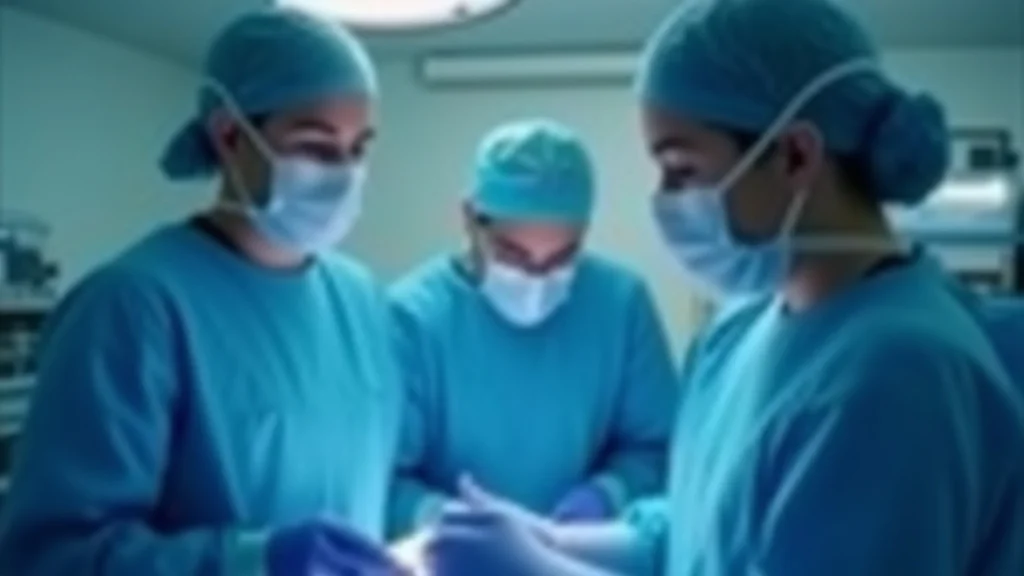
Picture this: a loved one needs surgery. The operating room is buzzing with activity, doctors are prepping, and a calm, collected professional is meticulously arranging instruments. That person is a surgical tech. But what exactly do surgical techs do? It’s a question with a fascinating answer, revealing a crucial role in modern healthcare. This blog will explore the day-to-day of a surgical technician, breaking down their duties, required skills, and the impact they have on patient care. You’ll gain a solid grasp of this vital profession, and hopefully, appreciate the importance of these unsung heroes of the operating room.
The Core Responsibilities of a Surgical Tech
Surgical technicians are the unsung heroes of the operating room, playing a vital role in ensuring surgeries run smoothly and safely. Their responsibilities span a wide range, from preparing the operating room to assisting the surgical team directly during procedures. They work closely with surgeons, nurses, and anesthesiologists to provide optimal care for patients. Their primary focus is to create a sterile environment and anticipate the needs of the surgical team. This requires a strong base in medical knowledge, alongside critical thinking skills and the ability to work effectively under pressure.
Operating Room Preparation and Setup
Before a single incision is made, the surgical technician is hard at work. This phase involves setting up the operating room, ensuring all necessary equipment and instruments are readily available, and following strict protocols for cleanliness and sterilization. This meticulous preparation is critical to reduce the chance of infection and create a safe environment for the surgical team and the patient. This preparation also involves arranging the sterile field, which is a designated area where only sterile items can be placed. Surgical techs must be extremely vigilant in this process, as any breach in sterility can compromise the entire procedure. Setting up the room can take an hour or more, depending on the complexity of the surgery.
- Sterilization Techniques: Surgical technicians are experts in sterilization methods. They utilize autoclaves, chemical sterilants, and other methods to eliminate all microorganisms from surgical instruments and equipment. This ensures patient safety by preventing surgical site infections. Sterilization is a critical process, and any mistake can have serious consequences.
- Equipment Management: They have a strong working knowledge of surgical equipment, including retractors, cautery units, and monitoring devices. Techs need to know how each piece of equipment works, how to troubleshoot problems, and ensure they are functioning correctly before the surgery begins.
- Inventory and Supply Management: Surgical techs are responsible for managing supplies, including surgical drapes, sutures, and specialized instruments. They need to maintain an accurate inventory, restock supplies as needed, and ensure that all materials are sterile and readily accessible during the procedure. This also involves working within the hospital’s protocols for tracking and ordering supplies, helping to ensure the operating room is fully stocked.
Assisting the Surgical Team
During the surgery itself, the surgical technician becomes an integral part of the surgical team, directly assisting the surgeon. They pass instruments, maintain the sterile field, and assist with tasks such as suturing and wound closure. This requires the ability to anticipate the surgeon’s needs, react quickly to unexpected situations, and maintain focus throughout the procedure. They often act as the “second pair of hands” for the surgeon. Effective communication and teamwork are critical during this phase. This role requires quick thinking and a strong understanding of surgical procedures.
- Instrument Handling: A fundamental part of the job is the safe and efficient handling of surgical instruments. They anticipate the surgeon’s needs, select the correct instruments, and pass them with precision and accuracy. This reduces the time spent on the procedure and ensures the surgeon has the proper tools at their fingertips.
- Wound Closure Assistance: Surgical techs are often trained to assist with wound closure, including suturing and applying dressings. This requires skills in knot tying and an understanding of different suture techniques. They may also assist with stapling or other wound closure methods.
- Specimen Handling: During a surgical procedure, tissue samples may need to be collected for further examination. The surgical tech is responsible for properly handling and labeling these specimens, ensuring they are preserved and sent to the laboratory accurately. This is a critical step in the diagnostic process.
Maintaining a Sterile Environment
Maintaining a sterile environment is paramount in the operating room. Surgical techs are key to upholding these standards by carefully following protocols for sanitation, waste disposal, and instrument handling. This ensures the patient’s well-being and prevents infections. They must be vigilant at all times, monitoring the sterile field, and taking swift action if there is any compromise to the sterility. This requires detailed knowledge of infection control and a commitment to upholding the highest standards of cleanliness. The environment is constantly monitored for any potential contamination.
- Adherence to Sterile Technique: Surgical technicians are trained to adhere strictly to aseptic techniques, including handwashing, the use of sterile gloves and gowns, and the correct handling of sterile instruments and supplies. The failure to adhere to these techniques can lead to surgical site infections.
- Waste Disposal Protocols: The responsible disposal of hazardous medical waste is essential to protect both patients and healthcare workers. This includes sharps disposal, contaminated material, and biological waste. Technicians are trained in proper disposal protocols to prevent exposure to harmful substances.
- Environmental Monitoring: They monitor the operating room environment for potential sources of contamination, such as air quality and equipment cleanliness. This can involve routine checks and reporting any problems to ensure patient safety. Regular inspections are completed to check the room’s conditions.
Required Skills and Knowledge for Surgical Technicians
Becoming a surgical technician requires a specific set of skills, both technical and personal. They must have a strong foundation in medical terminology, anatomy, and surgical procedures. They should also possess critical thinking skills, excellent communication skills, and the ability to remain calm under pressure. These skills allow for quick decisions and coordination within the surgical team. Effective teamwork is essential, as technicians are constantly interacting with surgeons, nurses, and other healthcare professionals. Strong attention to detail and a commitment to patient safety are also critical to success.
Medical Terminology and Anatomy
A firm grasp of medical terminology and anatomy is the bedrock of a surgical tech’s knowledge. They need to understand the language of medicine and know the names and functions of human body structures. This knowledge is essential for effective communication, understanding surgical procedures, and anticipating the surgeon’s needs. Proficiency in medical terms is necessary to know the purpose of each procedure. Without a solid understanding of medical terms and anatomy, surgical technicians would be unable to follow surgical instructions, identify instruments, or effectively assist the surgical team. This education helps to quickly react during complex surgeries.
- Understanding of Medical Terminology: Surgical technicians must have a working knowledge of medical terms related to surgical procedures, anatomy, and pathology. They need to know the meanings of prefixes, suffixes, and root words to understand surgical reports and communicate effectively with the surgical team.
- Knowledge of Human Anatomy: Surgical techs should have a strong understanding of human anatomy, including the names and locations of organs, tissues, and systems. This knowledge helps them anticipate the surgeon’s needs and accurately identify structures during procedures.
- Surgical Procedures Familiarity: They should be familiar with common surgical procedures, including the steps involved, instruments used, and potential complications. They need to recognize what is likely to happen next and proactively prepare the necessary instruments or supplies.
Technical Skills and Proficiency
Surgical techs must possess a wide range of technical skills, including instrument handling, sterilization techniques, and equipment operation. This proficiency is gained through education, training, and experience. They also need to be adept at problem-solving, as they must often troubleshoot equipment malfunctions or address unexpected challenges during surgery. These technical abilities contribute to the efficiency and safety of surgical procedures. They need to become skillful in using many medical devices in the operating room. Precision and accuracy are important for maintaining sterile conditions.
- Instrument Identification and Handling: A fundamental technical skill involves identifying, handling, and passing surgical instruments with accuracy. This includes knowing the names, uses, and proper care of a wide array of instruments, such as scalpels, forceps, and retractors. Proper handling minimizes the risk of injury to the patient.
- Sterilization and Aseptic Techniques: They are proficient in sterilization techniques, ensuring that all instruments and supplies are properly sterilized before use. This includes following strict protocols for cleaning, packaging, and operating autoclaves and other sterilization equipment.
- Equipment Operation and Maintenance: Surgical techs should be familiar with the operation and maintenance of various surgical equipment, including suction devices, cautery units, and patient monitoring systems. They must be able to troubleshoot minor malfunctions and report more complex issues.
Interpersonal and Cognitive Abilities
Beyond technical skills, surgical technicians need strong interpersonal and cognitive abilities. They must be effective communicators, able to work well in a team environment and interact with patients and healthcare professionals. They must also be able to think critically, solve problems, and remain calm under pressure. These personal attributes are essential for creating a supportive environment in the operating room and for ensuring the best possible care for patients. Working in the operating room demands excellent communication and the ability to work in stressful scenarios.
- Communication Skills: Effective communication is essential for the surgical tech, who must clearly communicate with surgeons, nurses, and other members of the surgical team. This includes conveying information accurately and concisely and actively listening to instructions.
- Teamwork and Collaboration: They must work well in a team setting, collaborating with surgeons, nurses, and other healthcare professionals to ensure the smooth operation of surgical procedures. This requires a willingness to share information, ask for help, and support the team.
- Problem-Solving and Critical Thinking: Surgical technicians must be able to solve problems, think critically, and make quick decisions. This can include troubleshooting equipment malfunctions, addressing unexpected situations during surgery, and adapting to changing circumstances.
Educational Path and Career Outlook
The path to becoming a surgical technician generally involves completing an accredited surgical technology program and passing a certification exam. The educational requirements typically include coursework in anatomy, physiology, microbiology, and surgical procedures, along with hands-on clinical experience. After graduation and certification, surgical techs can find job opportunities in hospitals, clinics, and outpatient surgery centers. The career outlook is generally positive, with a growing demand for surgical technicians. This trend is driven by the aging population, advancements in surgical techniques, and an increased need for qualified surgical staff. This field offers job security and is projected to grow faster than average.
Surgical Technology Programs
Surgical technology programs are typically offered at community colleges, vocational schools, and some universities. The programs are designed to provide students with the knowledge and skills necessary to work as surgical technicians. These programs usually include a combination of classroom instruction, laboratory work, and clinical experience. The curriculum focuses on surgical procedures, sterile techniques, anatomy, and patient care. Completing an accredited program is a key step toward a successful career as a surgical tech. Students develop the skills necessary to excel in the operating room. These training programs prepare individuals for the roles and responsibilities of a surgical tech. They offer a direct path to employment in the field.
- Accreditation: Accreditation is a critical aspect of surgical technology programs. Accredited programs meet specific standards and are recognized by employers and licensing boards. Graduation from an accredited program is often a requirement for certification.
- Curriculum: Surgical technology programs typically include coursework in anatomy, physiology, microbiology, and surgical procedures. They also provide hands-on training in instrument handling, sterilization techniques, and patient care.
- Clinical Experience: A significant portion of the training involves clinical experience in operating rooms. This provides students with an opportunity to observe and participate in actual surgical procedures. This hands-on experience allows students to apply their knowledge and develop their skills under the guidance of experienced professionals.
Certification and Licensing
After graduating from a surgical technology program, individuals can become certified by passing an exam offered by a nationally recognized organization, such as the National Board of Surgical Technology and Surgical Assisting (NBSTSA). Certification is a standard credential in the field. This demonstrates that the surgical tech has met certain requirements and is qualified to practice. Licensing requirements vary by state, but many states require surgical techs to be certified to practice. Maintaining certification requires continuing education and adherence to ethical standards. These certifications demonstrate a surgical tech’s commitment to patient safety and professional development.
- Certification Exams: Passing a certification exam is a key step toward becoming a surgical tech. The exam covers a wide range of topics, including surgical procedures, sterile techniques, anatomy, and patient care. Successful completion demonstrates competence in the field.
- Continuing Education: To maintain certification, surgical techs must complete continuing education requirements. This helps them stay up-to-date with the latest developments in surgical technology and maintain their skills and knowledge.
- Licensure Requirements: Some states require surgical techs to be licensed to practice. The requirements for licensure vary by state, but often include completing an accredited program and passing a certification exam.
Job Market and Career Opportunities
The job market for surgical technicians is generally positive, with a favorable outlook for job growth. This is due to the rising demand for surgical services, the aging population, and the advancements in surgical techniques. Surgical techs have various career opportunities in hospitals, clinics, and outpatient surgery centers. They may also find jobs in the military or the healthcare industry. These career paths provide job stability and opportunities for advancement. The demand for surgical technicians is expected to increase over the coming years. This suggests good opportunities for new and current surgical techs. Those interested in this field will find many employment possibilities. The career outlook is favorable due to the continuous demand for surgical services.
- Hospitals: Hospitals are the primary employers of surgical technicians. They work in the operating rooms assisting surgeons with a variety of procedures. Hospital settings provide opportunities for experience with diverse surgical specializations.
- Outpatient Surgery Centers: Outpatient surgery centers are growing in popularity and offer surgical technicians another avenue for employment. These centers specialize in procedures that do not require an overnight hospital stay.
- Private Clinics: Surgical technicians may also find employment in private clinics, especially those specializing in surgical procedures. These settings often offer a more focused work environment.
According to the Bureau of Labor Statistics, the median annual wage for surgical technologists was $55,860 in May . The employment of surgical technologists is projected to grow 3 percent from to , about as fast as the average for all occupations. The growth in the demand for surgical services, coupled with the aging population, is driving the increased need for qualified professionals. The field provides a competitive wage and steady employment opportunities for those with the proper training and certification.
What Do Surgical Techs Do in Different Surgical Settings
The role of a surgical tech varies based on the type of surgical setting they work in. This is due to different procedures, equipment, and protocols. Surgical techs must be adaptable and adjust their skills and responsibilities to align with the specific needs of each setting. The experience and expertise of a surgical tech will continue to evolve. They often have to specialize in particular types of surgeries or settings. Understanding the differences between these settings is key to fully appreciating the scope and versatility of the surgical tech profession.
Hospital Operating Rooms
In hospital operating rooms, surgical technicians work across a wide array of surgical specializations, from general surgery to specialized areas like cardiac or neurosurgery. Their responsibilities include preparing the operating room, assisting the surgical team during procedures, and maintaining a sterile environment. The hospital setting provides surgical techs with the chance to experience diverse surgical procedures. They work alongside a multidisciplinary team. This can be a challenging, but rewarding environment. The level of equipment and technology used in hospital operating rooms is high. This can provide opportunities for innovation and learning. They are essential to supporting a hospital’s surgical services.
- Specialized Surgical Procedures: Surgical techs in hospitals often work in various surgical specialties, including general surgery, orthopedic surgery, neurosurgery, cardiac surgery, and others. The variety of cases and procedures requires a broad knowledge base and adaptable skills.
- Team Collaboration: In a hospital setting, they work closely with surgeons, nurses, anesthesiologists, and other healthcare professionals. Effective communication, teamwork, and quick decision-making are critical to ensure positive patient results.
- Emergency Situations: Hospitals handle emergency surgical cases, meaning surgical techs must be prepared to respond quickly and efficiently to unexpected situations. The ability to work under pressure and adapt to urgent conditions is essential.
Outpatient Surgery Centers
Outpatient surgery centers, also known as ambulatory surgical centers (ASCs), offer a more focused environment for surgical technicians. They generally specialize in procedures that do not require an overnight hospital stay. Surgical technicians in these centers focus on preparing for and assisting with specific procedures. They have the opportunity to specialize in particular areas of surgery. ASCs often prioritize efficiency, patient comfort, and a streamlined approach to surgical care. This results in a fast-paced environment where surgical techs have an important role. These settings often emphasize patient satisfaction and provide a more predictable work schedule.
- Specialization and Focus: These centers often specialize in specific types of surgical procedures, such as ophthalmology, orthopedics, or cosmetic surgery. This focus allows surgical techs to develop advanced expertise in specific surgical areas.
- Efficiency and Workflow: Outpatient surgery centers often prioritize efficient workflow and patient throughput. Surgical techs play a key role in ensuring that procedures run smoothly and patients are efficiently prepared for and recovered from surgery.
- Patient-Focused Care: These centers generally emphasize patient comfort and a patient-friendly environment. Surgical techs often interact directly with patients. They ensure a safe and positive experience.
Specialty Clinics and Private Practices
Surgical technicians in specialty clinics and private practices work in focused environments. These settings can be dedicated to particular surgical areas, such as plastic surgery, cosmetic surgery, or dental surgery. The job duties are often more specialized and involve a deeper understanding of the procedures. The work environment in specialty clinics and private practices may differ from a hospital or ASC. It often has a more intimate feel, with a smaller staff. Surgical technicians in these settings have the opportunity to develop strong relationships with surgeons and other staff. This allows for increased efficiency and expertise. They play a vital role in surgical teams. This is especially true of practices with advanced surgical techniques.
- Specialized Procedures: They are involved in very specialized procedures within their area of practice. Their knowledge of surgical techniques and instruments is directly applicable.
- Team Dynamics: In these settings, they often work with a close-knit team of healthcare professionals. Building and maintaining strong working relationships is essential for success.
- Patient Interaction: They may have greater interaction with patients before, during, and after surgical procedures. This requires excellent communication and interpersonal skills.
Frequently Asked Questions
Question: What is the main difference between a surgical tech and a surgical assistant?
Answer: Surgical technicians primarily prepare the operating room, assist surgeons by passing instruments and other tasks, and maintain a sterile field. Surgical assistants, often with more advanced training, may perform additional tasks under the surgeon’s direct supervision, such as closing incisions or handling tissues.
Question: How long does it take to become a surgical tech?
Answer: It typically takes 18-24 months to complete an accredited surgical technology program, including both coursework and clinical experience.
Question: What is the typical work environment for a surgical tech?
Answer: The work environment is primarily the operating room. Surgical techs work in hospitals, outpatient surgery centers, and specialty clinics. The environment can be demanding, requiring long hours and standing for extended periods.
Question: What are the risks and challenges of being a surgical tech?
Answer: Surgical techs face risks such as exposure to bloodborne pathogens and potential for injury from sharp instruments. The work can be physically and emotionally demanding, requiring focus and precision under pressure.
Question: Is there potential for career advancement for surgical techs?
Answer: Yes, surgical techs can advance in their careers. They can specialize in certain areas of surgery, become lead surgical techs, or move into positions such as surgical first assistants with further education and training.
Final Thoughts
The role of a surgical tech is indispensable in the world of healthcare. They are the essential link that enables surgeries to proceed smoothly and safely. From the meticulous setup of the operating room to assisting the surgeon during the procedure, surgical techs contribute a unique set of skills. Their expertise in sterilization, instrument handling, and teamwork ensures optimal patient care. The knowledge and skill required to fulfill this role are impressive. It’s a field that demands constant learning, adaptability, and unwavering dedication. If you’re looking for a career that offers purpose, challenges, and the chance to make a real difference, becoming a surgical tech might be the perfect fit. Embrace the opportunity to learn and grow within this vital profession. Your contribution to healthcare will be important.